 info@theclinivex.com
  +1 (877)-861-1996



Why Proper Cleaning of Laboratory Glassware Matters
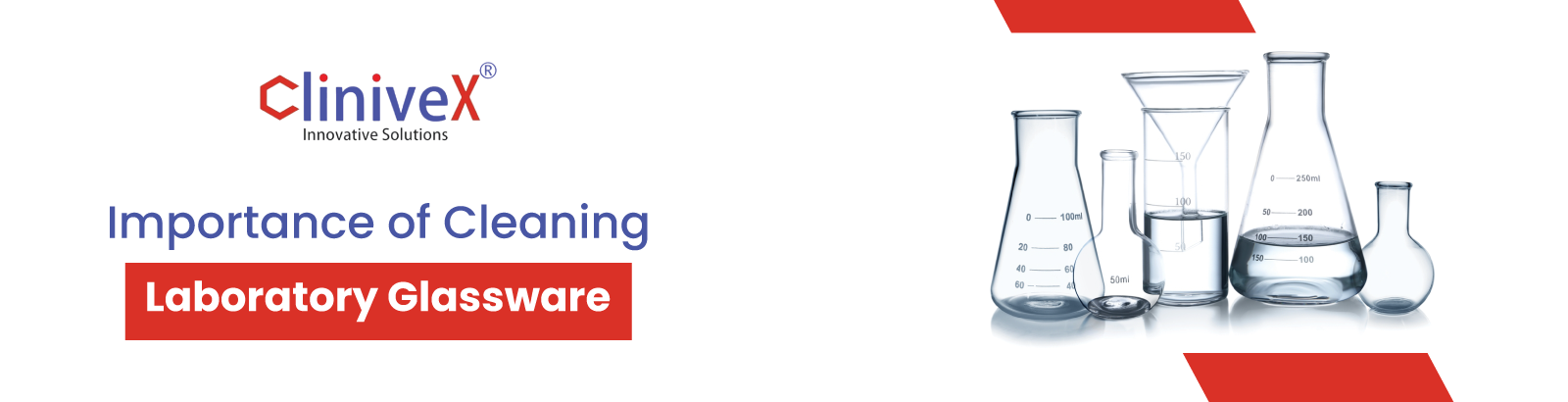
Every laboratory has its own focus, specializations, safety protocols, and contamination concerns. A manufacturing plant's laboratory glassware cleaning method would be different from a biomedical lab's glassware cleaning process.
Cleaning glassware may sound simple, but it is much more complex. If not done properly as per the laboratory's processes, compliance requirements, and safety protocols, it can be hazardous to the scientists.
In this blog, we are going to explain why cleaning laboratory glassware is important and also list the basic steps you can follow to clean it on your own lab glass supply.
Why is Cleaning Lab Glassware Important?
Every scientist and medical professional knows that any kind of testing, analysis, or experiment in a laboratory must start with a clean and contamination-free environment. This also means clean glassware. It will lead to trustworthy and reliable results at the end of the experiment. Here are some of the reasons why cleaning lab glassware is important:
Accurate Solutions Preparation
Reagents and solutions are usually prepared in glassware in large quantities. These solutions are often used for several days or even months. If the glassware that they are prepared in is not clean or contains contaminants, then it can impact their efficacy.
Compliance with Standards
If your laboratory is compliant with standards like ISO 4787, CFR 211.67, GMP 7, ASTM D5245-19, or any other standards, not adhering to the cleaning practices outlined in the standards can risk your accreditation.
Prevent Safety Hazards
Accidentally mixing two different chemicals from different experiments can be very dangerous. Ensuring that your glassware is cleaned properly will mitigate the risk of any dangerous chemical reactions from happening, protecting both the researchers and the laboratory from any accidents.
Prevent Contamination
Preventing any kind of contamination is vital to all laboratories, especially in microbiology laboratories. Cleaning your glassware regularly will prevent any unwanted microorganisms from hampering your experiments.
Basic Steps to Clean the Lab Glassware
Follow these steps to clean your laboratory glassware:
Inspect for Physical Damage
The first thing you should do is inspect the glassware for cracks, chips, or other imperfections.
Rinse and Remove Visible Contaminants
Rinse your glassware safely and remove any visible contaminants. Always dispose of the waste in an appropriate and properly labelled waste container.
Wash
Now, using a lab glassware cleaner suitable for your lab, wash your glassware properly. Remember to wear safety gear while washing glassware.
Sterilization
If your laboratory requires a sterile environment, then it is important to sterilize the glassware as well.
Drying
Do not dry your glassware by hand with a drying cloth, paper towel, or any kind of cloth because it could transfer contaminants to your clean and sterilized glassware. Dry your glassware on a drying rack, a shelf, or in an appropriate drying oven.
Conclusion
Your glassware also needs to be durable and reliable, so make sure to buy it from a trusted and reputable laboratory glassware supplier in USA.